
Case At-A-Glance
The Problem: A Fortune 500 with some of the brightest minds in the world experiencing high levels of burnout and turnover. Fear of judgment kept leaders from receiving honest feedback on what teams needed to thrive.
The Solution: Custom Keynote + facilitated small group work sessions with no leadership presence to ensure honesty
The Results: 44 pages of notes as team members let the walls down to voice what really kept them up at night. These notes were anonymized, digitized, and categorized by quantity and priority, then delivered with a detailed analysis to leaders to implement changes.
What The Client Had To Say:
“What struck me most about Dallin’s presentation was his ability to tailor his message to our specific needs and interests. He took the time to understand our team’s goals and challenges, and crafted a presentation that was both relevant and impactful. His expertise and passion are undeniable, and his ability to share that expertise in a way that is both accessible and engaging is a rare gift. I would highly recommend Dallin Cooper to any organization looking for a professional speaker who can drive excellent engagement and feedback. His presentation at the Advanced Research Center was a resounding success, and we look forward to the opportunity to work with him again in the future.”
Background
GE Vernova’s Advanced Research Center (ARC) employs some of the brightest minds in the world developing the next breakthroughs in energy, robotics, AI, and carbon capture. These aren’t just brilliant researchers, they are at the forefront of their respective fields. You don’t end up working at the ARC by accident. It’s the culmination of countless years of education, internships, and advancement, which means these are the highest performing of the high performers. But despite it being the dream job for those who want to make a difference, the ARC was still experiencing frustratingly high levels of burnout.
That’s a problem for two reasons:
- Burnout leads to turnover, and replacing someone at that level isn’t easy (or cheap). When you’ve cultivated a group of the best and brightest, you want to keep them.
- Burnout is associated with poor motor function, forgetfulness, irritability, and a host of other problems that dramatically increase the likelihood of mistakes. In labs and industrial scale testing, simple mistakes can easily become dangerous safety incidents.
But there was another problem. Working in such a prestigious place that has very limited placements means that nobody wants to lose their job. Admitting that you’re burned out, that you’re struggling, or that you think things need to change felt scary for a lot of employees. This isn’t uncommon at Fortune 500 companies. While employees may have a great relationship with their supervisors or managers, the “higher ups” are often so far removed that you’ve never even met them. But you definitely don’t want to get on their radar in a negative way, which means it’s often easier to keep your worries and complaints to yourself.
The leadership of the ARC wanted things to be better. They care about their staff. But if everyone is afraid of speaking up, how are they supposed to know how to improve?
So the goal of Global EHS (Environmental, Health, and Safety) Day at the ARC was also twofold:
- Give the staff an understanding and shared language of what burnout looks like in high performers and how to avoid it.
- Get clear feedback from employees on what is going well and where the leadership can improve
The Setup
The first solution was fairly easy. I have a program about the line between grit and burnout that I’ve often used for safety trainings, health and wellness days, and just for audiences of high performing people that struggle to know when to keep pushing and when to take a break. With that program as a framework, I developed a customized keynote for Global EHS Day that put everyone on the same page about where the line was, and more importantly, how to talk about it to each other. It identified red flags and questions to ask and how to get back on track when things get off the rails.
The response was excellent, but that’s pretty standard for a keynote speaker. The more delicate issue was how do you get a room of 200 geniuses to be vulnerable enough to share what’s really going on with their leadership?
After some light digging, I learned that nobody trusted the internal employee survey. It was attached to their ID’s, so they didn’t trust it to be anonymous. That is where the fear came from.
To eliminate that fear, we got rid of the leaders. No HR, no managers, just the teams. I put them in small groups of their direct teams, and asked them a handful of questions. One person acted as the scribe at the table, writing down what people shared about what they worried about, the culture, when they felt successful, and what made them feel burned out. The scribe was so that nobody could tell from handwriting who had which idea. That was the first layer of anonymization.
I spent time at each table, listening in as a neutral third party and ensuring them that nobody except me would ever see what they wrote.
The Result
After talking them through the work sessions, I collected all the notes pages (44 pages with no names and no identifying information, just data), and took them home with me. Over the next few weeks, I digitized the notes, grouped them into common themes and categories, and created a list of the most expressed sentiments (both good and bad). The aggregated and completely anonymous list of information was presented in a report to the leadership, along with ideas for improvement and where I saw the easiest fixes.
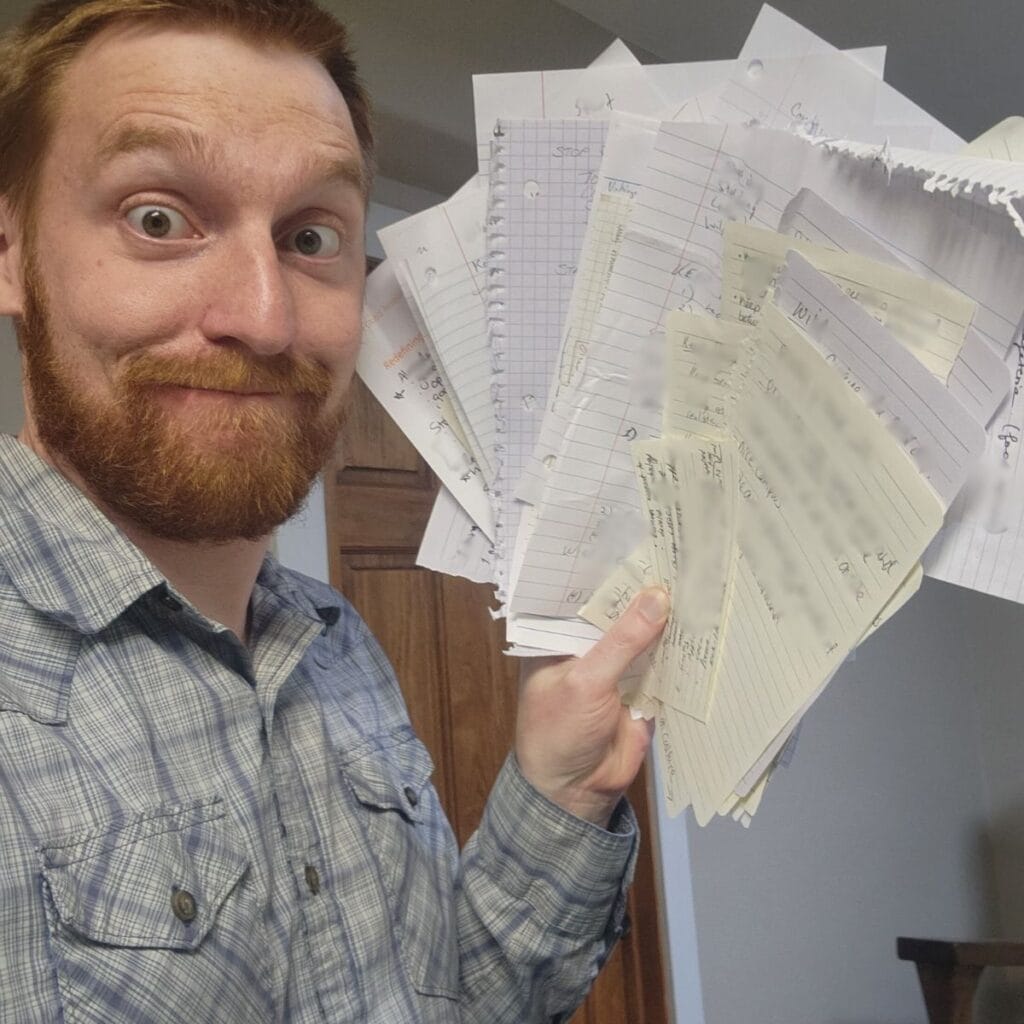
In addition to this presentation of data and recommendations, the leadership also got the completely anonymized, sorted, and digitized feedback. For extra security on keeping my promise of anonymization, I changed any language that felt unique or particularly identifiable based on personality. What they were left with was pages and pages of cold, hard, feedback. It was unfiltered and completely transparent, just like they wanted. It wasn’t all easy to read, but the leadership expressed gratitude at being able to finally see a bit of what was going on and what people were afraid to say.
In addition to many other useful pieces of feedback, one thing stood out that clearly highlighted why burnout was a problem, despite incredibly generous PTO policies and a generally positive culture: an applied hours quota. Intended to make sure they were hitting billable hours for clients, this quota’s stringent nature meant that it was almost impossible to even work on new and interesting research, let alone take significant vacation. There was a mismatch between the local leadership culture and the policy coming down from the top. So the leadership was able to leave armed with both general research on PTO policy challenges, as well as aggregate data specific to their organization so that they could go to bat to help their teams.
The teams left with the knowledge that their leaders were on their side, that they all had a unified goal, and most importantly with a shared language of how to talk about those goals without misunderstandings.
In the often lumbering and slow-to-turn world of Fortune 500 HR, I consider that a job well done.